

A Beginner's Guide to Foraging Blackberries in Autumn Hedgerows
Why Blackberries Still Taste of an Older Britain
The first decent blackberry of the year is always eaten warm, standing at the hedge, usually with a scratch on the forearm to show for it. Brambles are our most democratic wild fruit: they grow along field edges, embankments, churchyard walls and the backs of housing estates, and they cost nothing but a few prickles.
There is folklore attached to that, of course. Tradition says blackberries should not be picked after Michaelmas, 29 September, when the devil is said to have spat on the fruit and spoiled it. The old calendar put that date nearer 11 October, which is a neat reminder of something more practical: late berries really do turn mouldy and tasteless as the damp sets in. Whether you blame the devil or the weather, the advice holds.
How to Tell a Really Ripe Blackberry
A ripe blackberry is almost dull black, often dusted with a soft blue-grey bloom, and it comes away at the lightest touch. Pick one and you should be left holding a hollow little cup, with the white core left behind on the plant. If you have to tug, or the fruit squashes in your fingers, leave it for another day. Berries still showing red or purple are unripe and sharply sour; they will not ripen in the bowl.
Taste before you commit to a patch. Good berries are sweet with a faint winey smokiness, and no two hedges taste alike — fruit on a sunny south-facing bank beats deep shade every time. Dry weather concentrates the sugar, so pick after a few rainless days if you can; a wet spell gives bloated, watery fruit that jellies poorly. The season runs from late July through early October, with September the sweet spot.
Lookalikes and Hazards to Watch For
Blackberries are easy to identify once you know the plant: an arching, scrambling shrub with pale hooked thorns, leaves divided into three to five toothed leaflets, white or pinkish flowers, and fruit built from many little segments around a core. Nothing safe looks much like it — but some dangerous things grow in the same hedge.
- Deadly nightshade: single, glossy black berries with a green star-shaped calyx, on a soft unarmed plant with dull purple bell flowers. Extremely poisonous, and fond of chalky hedgerows.
- Woody nightshade: bright red oval berries in loose clusters on a scrambling plant with purple-and-yellow flowers. Toxic.
- Black and white bryony: red or greenish berries strung along scrambling hedge stems. Both poisonous.
- Ivy berries: dull black clusters on winter ivy. Not food.
Two rules keep you safe. If it is not growing on a thorny bramble stem with divided leaves, leave it alone. And avoid fruit at dog height along busy paths, plus anything within a metre of a main road, where exhaust and spray residue collect. Wash your haul in cold water and check for the small white maggots that love the ripest berries.
What to Take and When to Go
Go early, while hedges are cool and quiet and the birds have already shown you where the fruit is. Wear long sleeves, trousers and sturdy boots — you will meet nettles, thorns and hidden barbed wire.
- A shallow tub, or a container lined with a tea towel, rather than a deep bag that crushes the bottom layer.
- Gardening gloves with rubberised palms for reaching into the thick of the bush.
- A walking stick or wooden hook to draw high canes down without shredding your arms.
- A second small pot for berries eaten on the way home; they never reach the kitchen.
Picking Kindly: Leaving Some for the Birds
Hedgerow blackberries are a lifeline for dormice, blackbirds, warblers and butterflies, and they are thin on the ground by November. Take a share and leave plenty, working a hedge as you would a fruit bush rather than stripping a patch bare. Never snap canes or dig plants up. Fruit picked for personal use is not theft under the Theft Act, but picking on private land without permission, or taking a commercial quantity from common ground, is another matter. If in doubt, ask.
In the Kitchen: Three Simple Things
- Blackberry and apple crumble. One kilo of berries to three peeled Bramleys, with 100g sugar and a squeeze of lemon. Rub 200g plain flour, 100g cold butter and 75g sugar into crumbs, scatter over and bake at gas mark 4 (180°C) for about 40 minutes.
- Bramble jelly. Simmer equal weights of berries and chopped Bramleys with a splash of water until soft, then strain through muslin overnight — do not squeeze, or the jelly clouds. Allow 450g sugar per 600ml juice and boil hard to setting point.
- Blackberry vinegar. Cover berries with cider vinegar, leave a week, strain, then add 250g sugar per 500ml and warm gently until dissolved. Splendid with roast pork, or stirred into hot water for a sore throat.


Foraging
-
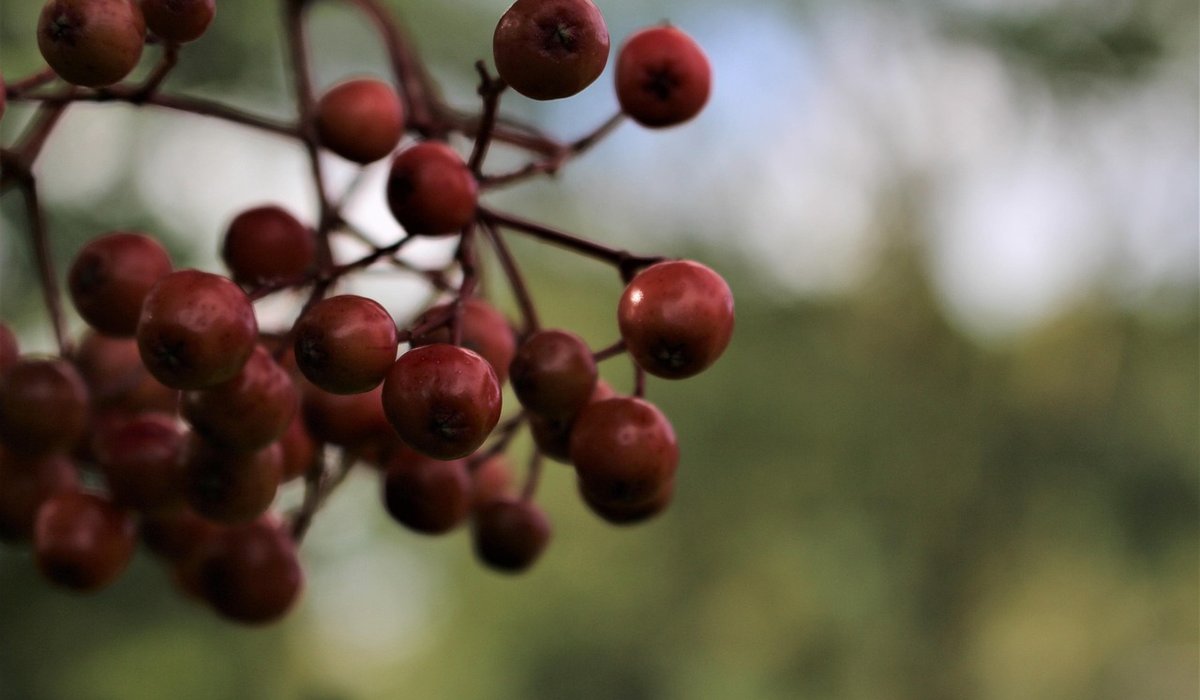
Elder has long been linked to protection, witches, and the fairy folk. Discover traditional beliefs and safe ways to use its flowers and berries.

Hedgerow




-

Long established fact that a reader will be distracted
-

Long established fact that a reader will be distracted
-

Long established fact that a reader will be distracted


Folklore
Karla Gleichauf
12 May 2017 at 05:28 pm
On the other hand, we denounce with righteous indignation and dislike men who are so beguiled and demoralized by the charms of pleasure of the moment
M Shyamalan
12 May 2017 at 05:28 pm
On the other hand, we denounce with righteous indignation and dislike men who are so beguiled and demoralized by the charms of pleasure of the moment
Liz Montano
12 May 2017 at 05:28 pm
On the other hand, we denounce with righteous indignation and dislike men who are so beguiled and demoralized by the charms of pleasure of the moment