

Ways to Identify Common Edible Mushrooms in Woodlands
Before You Pick: A Forager's Ground Rules
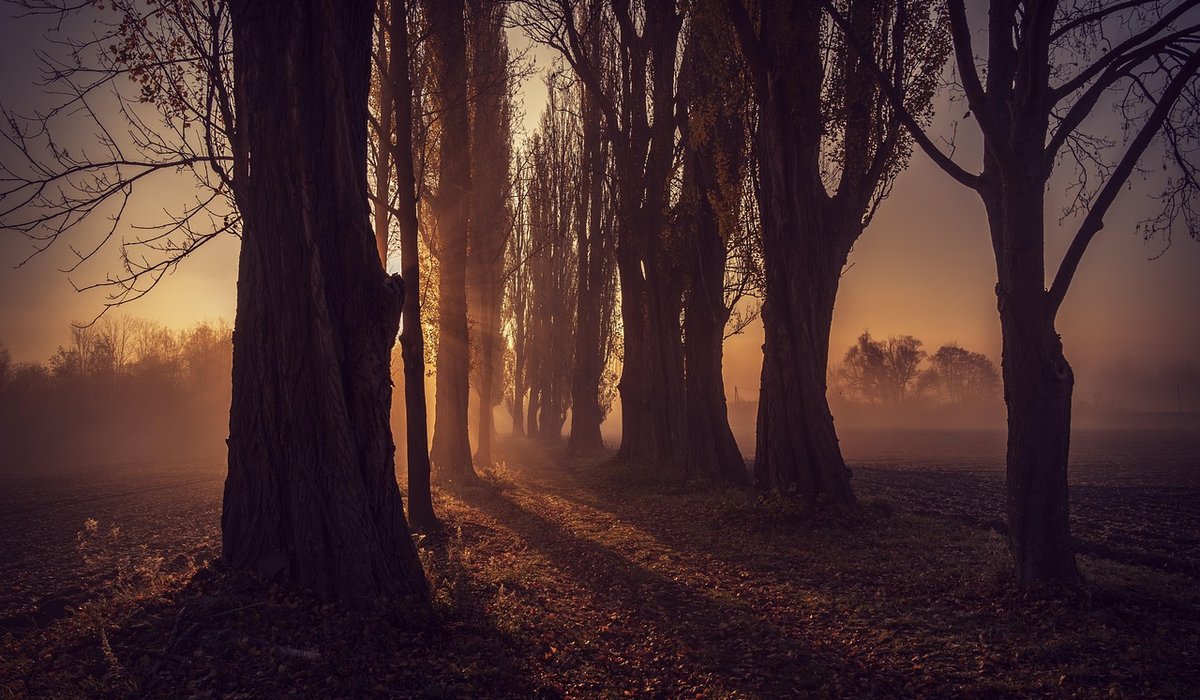
There is a quiet pleasure in wandering a British woodland in autumn, basket on arm, eyes scanning the leaf litter for a flash of gold or a dome of ivory. For centuries, country folk have gathered fungi from hedgerow, coppice and pasture, and folklore grew around them — fairy rings, thunder caps, and mushrooms said to spring up where lightning struck. The joy of foraging, however, comes with a serious duty. Never eat a mushroom unless you are absolutely certain of its identity. Check every specimen against at least two reliable field guides, take a spore print where needed, and if any doubt remains, leave it be. An experienced forager or local mycologist is worth their weight in chanterelles.
Pick only what you need, use a basket or paper bag so spores can fall, and cut rather than uproot. In the UK, picking for personal use is generally permitted where you have access, but uprooting without permission can be trespass, and protected sites have stricter rules. Fungi are the woodland's recyclers, so leave plenty behind.
Field Mushrooms and Their Woodland Cousins
The field mushroom is the classic of British pastures, but it also appears at woodland edges and in clearings. Look for a smooth white cap, often with a few grey-brown scales, and gills that start pink and mature to chocolate brown. The ring on the stem is thin and may vanish with age. Cut the base: it should stay white, with a pleasant mushroomy or aniseed smell. The horse mushroom is larger, with a faint almond scent. Beware the yellow stainer, which bruises bright yellow at the base, smells of ink, and can cause severe stomach upset.
- Cap: white to cream, smooth or slightly scaly
- Gills: pink when young, dark brown at maturity
- Stem: white, with a fragile ring; base must not stain yellow
- Habitat: pasture, woodland edges, grassy clearings
- Season: late summer to late autumn
Folklore calls these "fairy rings" when they grow in a circle, said to be caused by dancing fairies.
Puffballs: The Beginner's Friend (with a Warning)
Puffballs are among the safest starters for a novice, because their internal colour tells you almost everything. The giant puffball can swell to the size of a football; the common puffball is smaller, pear-shaped, and covered in tiny warts. Cut every puffball in half. The flesh inside must be pure, marshmallow-white, with no sign of yellowing or browning. If it is turning yellow, olive or brown, it is past its best — leave it. Avoid any puffball with a thick, tough skin and a dark, purplish interior: that is an earthball, which can cause illness. Also beware small white "puffballs" that are actually the eggs of Amanita species; slice them and look for the emerging cap and gills inside.
Old lore held that puffball smoke could calm bees, and dried puffballs staunched wounds. Today, slice them thickly, fry in butter, and enjoy their mild, nutty flavour.
Chanterelles and Their Lookalikes
The golden chanterelle is the woodlander's prize: egg-yolk yellow, funnel-shaped, with forking ridges rather than true gills. These ridges run down the stem and are blunt and vein-like. The smell is unmistakable — a delicate apricot or peach. Chanterelles grow from soil among moss and leaf litter, often near birch, oak, beech or pine, from midsummer to late autumn. They never grow directly on wood.
The false chanterelle is the main confusion. It has true, blade-like gills, is usually a deeper orange, grows on rotting wood, and lacks the apricot scent. If it smells of nothing much and has sharp gills, walk away.
- True chanterelle: forking ridges, apricot smell, grows on soil
- False chanterelle: true gills, no scent, grows on wood
Hedgehog Mushrooms and Winter Chanterelles
Two excellent autumn and winter species are hard to mistake. The hedgehog mushroom has spines instead of gills — brittle, pale apricot teeth hanging beneath a creamy cap. It fruits in woodland soil from late summer to early winter. The winter chanterelle is smaller and browner, with a yellow stem, a funnel-shaped cap, and shallow false gills. It grows in mossy conifer woods, often in large troops, and keeps going through mild winters.
Folklore in the north of England calls the winter chanterelle the "winter mushroom", a sign that the pot would not go empty even after the first frosts. Always check hedgehog mushrooms for bitterness — a nibble and spit test is traditional, but never swallow until you are sure.
Ceps, Penny Buns and the Bolete Family
The penny bun, or cep, is the king of woodland mushrooms. It has a brown, slightly sticky cap, a stout stem with a fine white network, and pores instead of gills — tiny tubes that start white and turn yellow-green with age. The smell is nutty and pleasant. It grows in symbiosis with oak, birch, beech, pine and spruce, from late summer to autumn.
Boletes are a large family, and some are laxatives or bitter. Learn to avoid any bolete with red pores or a red network on the stem, and the bitter bolete, which has pinkish pores, a black network, and a very bitter taste. If in doubt, take a spore print and consult your guide. Sliced and dried, or fried with garlic and parsley, they are one of the great tastes of the British countryside.


Foraging
-
Rosehips are rich in vitamin C and make warming winter remedies. Discover when to pick, how to prepare, and avoid itchy hairs.


Hedgerow




-

Long established fact that a reader will be distracted
-

Long established fact that a reader will be distracted
-

Long established fact that a reader will be distracted


Folklore
Karla Gleichauf
12 May 2017 at 05:28 pm
On the other hand, we denounce with righteous indignation and dislike men who are so beguiled and demoralized by the charms of pleasure of the moment
M Shyamalan
12 May 2017 at 05:28 pm
On the other hand, we denounce with righteous indignation and dislike men who are so beguiled and demoralized by the charms of pleasure of the moment
Liz Montano
12 May 2017 at 05:28 pm
On the other hand, we denounce with righteous indignation and dislike men who are so beguiled and demoralized by the charms of pleasure of the moment