

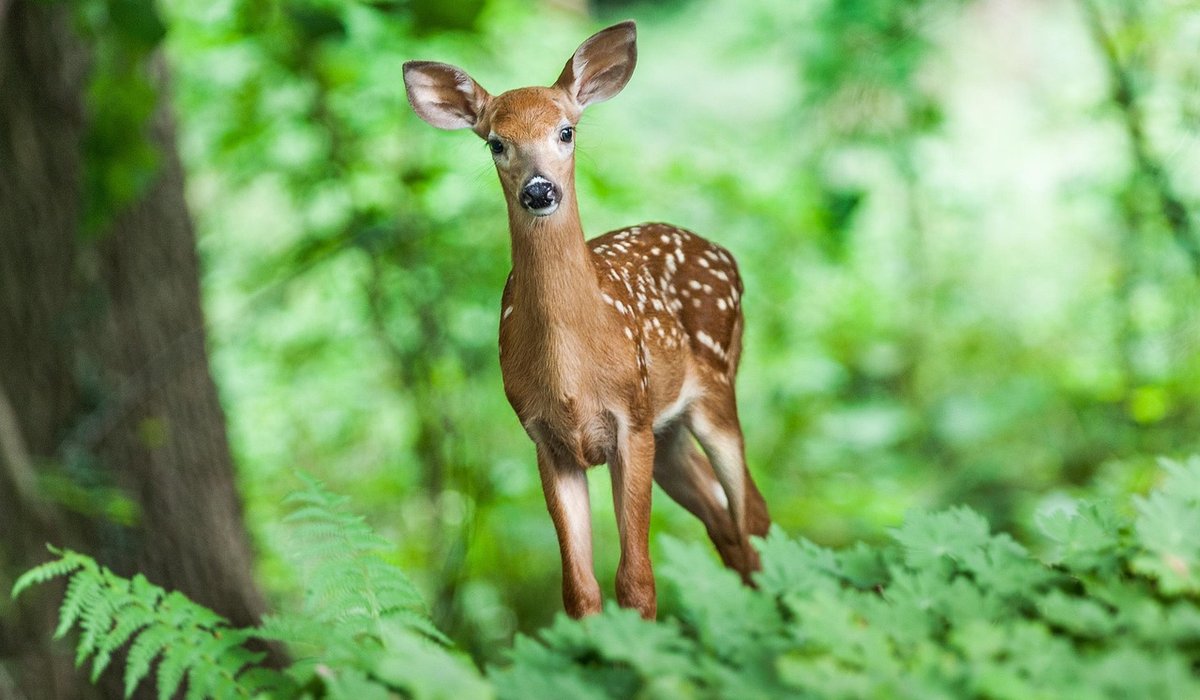
Planting a Native Hedge for Birds and Pollinators
A Living Boundary Worth Planting
A native hedge does far more than mark where your garden ends. In a single stretch of hawthorn and dog rose you can offer nesting cover for dunnocks, a larder of hips and haws for fieldfares, and a pollen station for early-emerging bumblebees. British hedgerows have shaped our countryside for centuries — they sheltered livestock, marked parishes, and gathered a whole body of folklore about fairies, weather and luck. Planting one is old-fashioned good sense, and it is surprisingly forgiving work if you prepare the ground properly.
Late autumn and winter are your window. Bare-root whips, lifted from the field while dormant, settle in beautifully between November and March, so long as the ground is not frozen or standing in water. They are also a fraction of the cost of pot-grown plants, which means you can plant a proper double row rather than a thin apology of a hedge.
Choosing Species for Birds and Pollinators
Mix at least five or six species. A varied hedge flowers across more of the year, fruits at different times, and recovers better if one species struggles. Aim for roughly 60 per cent of one strong backbone species and the rest as a supporting cast.
- Hawthorn (Crataegus monogyna) — the classic. Scented May blossom, deep autumn haws loved by redwings and fieldfares, and thorny enough to keep nesting birds safe from cats. In folklore it is the fairy tree; bringing blossom indoors was said to invite bad luck.
- Blackthorn (Prunus spinosa) — the earliest mass of white blossom and a genuine lifeline for queen bumblebees. Sloes follow in autumn for gin, and its tangled growth is prime nest territory.
- Field maple (Acer campestre) — our only native maple. Good yellow autumn colour, nectar for pollinators, and aphids that feed tits and warblers in summer.
- Dog rose (Rosa canina) — open, nectar-rich flowers for bees and hoverflies, then bright hips full of vitamin C. Pick after the first frost for syrup or jelly, and leave plenty for the birds.
- Hazel (Corylus avellana) — catkins in February, nuts in September, and coppice stools that regenerate for decades.
- Guelder rose, rowan, crab apple, holly and spindle — add berries, blossom and structure. Alder buckthorn is worth including purely for the brimstone butterfly.
Preparing the Ground
Hedges hate competition. Clear a strip at least a metre wide either side of your planting line, stripping perennial weeds such as couch grass and nettle roots thoroughly — a fork and patience beat weedkiller here. If the soil is heavy clay, dig the strip over to a spade's depth and work in some well-rotted compost; the improved tilth will pay you back within a season.
Mark out two staggered rows about 40cm apart, with plants set 40–50cm apart within each row. This doubles the density and gives you a hedge that knits together quickly. Check the line with a taut string, and water the strip the day before planting if the ground is dry.
Planting Bare-Root Whips
Buy whips of 60–90cm, which establish faster than larger stock. Keep the roots damp and out of the wind until each one goes in — a bucket of water or a heeled-in trench will do. Soak them for an hour before planting.
- Firm the soil with your boot, then dig a hole wide enough to take the roots spread out comfortably.
- Set the plant so the old soil mark sits level with the ground. Planting too deep kills more whips than drought does.
- Backfill, firm gently with your heel, and water in.
- Fit a spiral guard around the base to see off rabbits and voles, and mulch with bark or well-rotted manure, keeping it clear of the stems.
- Cut each whip back by about a third after planting. It feels brutal, but it forces low, bushy growth instead of a leggy row of sticks.
Aftercare Through the First Years
Water deeply in dry spells for the first two summers — a thorough soak every ten days is far better than a daily sprinkle. Keep the strip clear of grass and weeds, either by hand or with a mulch topped up each spring. Feed nothing; native hedgerow species do not want richness, which only encourages soft growth and aphids.
From the second winter, trim lightly to build a dense shape, cutting the sides so the hedge is slightly wider at the base — an A-frame profile lets light reach the bottom and stops it going bare. After that, cut on a two or three year rotation, and never between March and August, when birds are nesting. Leaving some stems to flower and fruit each year is the whole point: a hedge trimmed to within an inch of its life feeds nothing.
Within three or four years you will have a boundary that hums in June, glows in October, and shelters something through every gale. A hedge is a slow pleasure, but it is one of the best things you can plant.


Foraging
-
Learn to identify ripe blackberries, avoid common lookalikes, and gather responsibly from British hedgerows. This guide covers tools, timing, and simple recipes.

Hedgerow




-

Long established fact that a reader will be distracted
-

Long established fact that a reader will be distracted
-

Long established fact that a reader will be distracted


Folklore
Karla Gleichauf
12 May 2017 at 05:28 pm
On the other hand, we denounce with righteous indignation and dislike men who are so beguiled and demoralized by the charms of pleasure of the moment
M Shyamalan
12 May 2017 at 05:28 pm
On the other hand, we denounce with righteous indignation and dislike men who are so beguiled and demoralized by the charms of pleasure of the moment
Liz Montano
12 May 2017 at 05:28 pm
On the other hand, we denounce with righteous indignation and dislike men who are so beguiled and demoralized by the charms of pleasure of the moment