

The Slot Player's Guide to RTP, Volatility, and Bankroll Survival
Most slot players never look past the spinning reels. They pick a game because the theme looks fun, mash the spin button, and hope for the best. That works fine for five minutes of entertainment, but if you want your session to last longer than your coffee, you need to understand three numbers that shape every outcome: RTP, volatility, and house edge. None of them guarantee a win. All of them tell you what kind of ride you are signing up for.
RTP Is Not a Promise, It Is a Long-Term Average
Return to Player, or RTP, is the percentage of all wagered money a slot machine is mathematically expected to pay back over millions of spins. A game with 96% RTP keeps 4% as the house edge. Sounds simple, but here is where players get tripped up: RTP is calculated across an enormous sample size. You could play a 96% game for three hours and lose every single spin. The percentage only stabilizes over millions of plays, far more than any human session.
That said, RTP still matters when comparing games. A 94% slot versus a 97% slot is a real difference in expected value. Play 1,000 spins at $1 each and the math says you will lose roughly $60 on the 94% game and $30 on the 97% game. Over a year of regular play, that gap becomes significant. Regulators in jurisdictions like the UK, Malta, and several US states require operators to publish RTP figures, so there is no excuse for guessing. Look for the info screen or the paytable before you commit.
One caveat: online slots usually run higher RTPs than land-based machines. A Vegas casino floor might feature games set as low as 85% to 88% because overhead costs are higher. Online versions of the same titles often sit between 95% and 97%. That is not marketing fluff, it is a structural advantage of lower operating costs.
Volatility Decides How Bumpy the Ride Gets
Two slots can share the same 96% RTP and feel completely different. That is volatility at work, sometimes called variance. It describes how the payouts are distributed: Further details are available through สล็อตเว็บตรง.
- Low volatility: frequent small wins. Your balance drifts slowly. Think classic three-reel games or low-stakes fruit machines.
- Medium volatility: a balanced mix. Wins come around often enough to keep you engaged without draining too fast.
- High volatility: long dry spells punctuated by rare, massive payouts. Megaways titles and bonus-buy slots often fall here.
Here is the practical takeaway. If you have a $50 bankroll and want to play for two hours, a high-volatility slot will likely eat your balance in twenty minutes with nothing to show. A low-volatility game stretches that same $50 much further. Conversely, if you are chasing a headline win and accept the risk of busting fast, high volatility is your lane. Match the game to your bankroll and your patience, not to the YouTube thumbnail showing a $200,000 win.
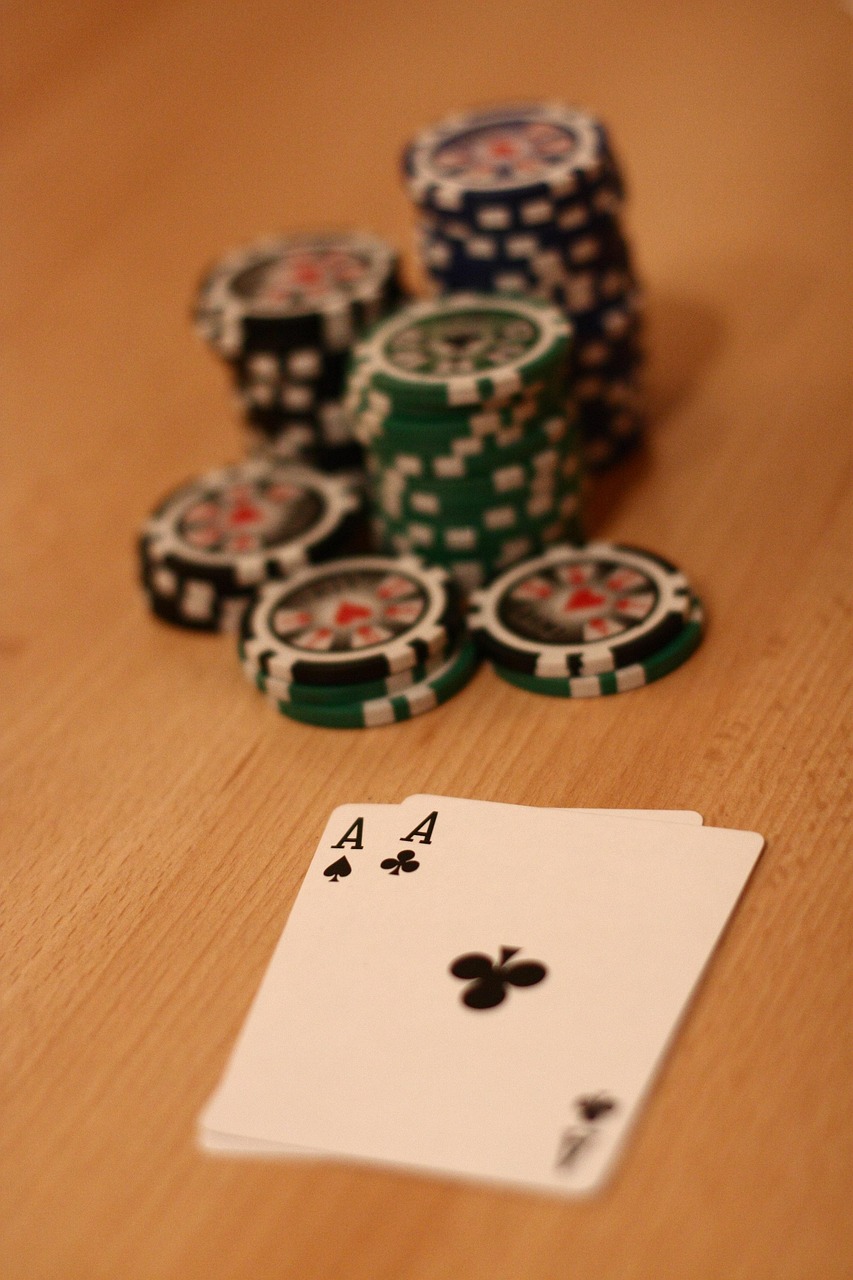
Poker Is a Skill Game Wearing a Gambling Coat
Slots are pure chance. Poker is not, and that distinction changes everything about how you should approach it. In Texas Hold'em, a skilled player can maintain a positive expected value over thousands of hands. The house does not take a cut of each pot in the same way a slot does, it takes a rake, usually a small percentage capped at a few dollars. This means a disciplined player can genuinely profit long-term.
But skill cuts both ways. Weak players lose faster in poker than they would at slots because they are not just playing against the house, they are playing against opponents who study ranges, pot odds, and bet sizing. If you are new, start at micro-stakes cash games or low-buy-in tournaments. Learn position, starting hand selection, and bankroll management before you sit at a $2/$5 table. Freeroll tournaments are a smart entry point, they cost nothing and teach you how real players behave.
Bankroll Rules That Actually Keep You in the Game
Bankroll management is the least glamorous and most important part of gambling. Treat your bankroll as money you can afford to lose entirely, not rent money, not savings, not the grocery budget. Then apply structure:
- Set a session limit. Decide before you log in that you will stop at a specific loss amount, say $100, and stick to it.
- Size your bets as a percentage. A common guideline is 1% to 2% of your bankroll per spin or bet. A $500 bankroll means $5 to $10 spins, not $50.
- Separate sports betting, casino, and poker funds. Mixing them hides losses and encourages chasing.
- Take breaks. Fatigue leads to sloppy decisions, especially in poker where concentration matters.
- Never chase. Doubling your bet after a loss to recover it is the fastest route to a zero balance.
Sports betting adds another layer. Line shopping, understanding implied probability, and avoiding parlay traps matter more than gut feelings. A bet at -110 odds needs to win about 52.4% of the time just to break even. If you are not tracking your results, you are guessing.
Bonuses, Free Spins, and the Fine Print Nobody Reads
Welcome bonuses look generous until you read the wagering requirements. A 100% match up to $200 with a 35x rollover means you must wager $7,000 before withdrawing anything. If the game contribution rate is 20% for slots and 0% for table games, that requirement changes dramatically depending on what you play. Always check:
- The wagering multiplier and whether it applies to the bonus alone or bonus plus deposit.
- Which games count toward clearing the bonus and at what percentage.
- Time limits, often 7 to 30 days.
- Maximum bet rules while a bonus is active.
Free spins are usually better value because they come with lower or no wagering, but they are often restricted to specific low-RTP titles. Read the terms. It takes two minutes and can save you a withdrawal headache later.
The Bottom Line
iGaming rewards players who treat it like a hobby with rules, not a lottery ticket with hope. Understanding RTP gives you a realistic baseline. Volatility tells you whether your bankroll can survive the ride. Poker rewards study and discipline. Bankroll management keeps you from making emotional decisions that cost more than any bad beat. And reading bonus terms separates smart players from frustrated ones. None of this guarantees a profit, because the house always holds an edge in casino games. But it does mean you will play longer, lose slower, and actually enjoy the experience instead of regretting it. Spin smart, bet within your means, and never let a losing session become a financial problem.


Foraging
-
Elder has long been linked to protection, witches, and the fairy folk. Discover traditional beliefs and safe ways to use its flowers and berries.


Hedgerow




-

Long established fact that a reader will be distracted
-

Long established fact that a reader will be distracted
-

Long established fact that a reader will be distracted


Folklore
Karla Gleichauf
12 May 2017 at 05:28 pm
On the other hand, we denounce with righteous indignation and dislike men who are so beguiled and demoralized by the charms of pleasure of the moment
M Shyamalan
12 May 2017 at 05:28 pm
On the other hand, we denounce with righteous indignation and dislike men who are so beguiled and demoralized by the charms of pleasure of the moment
Liz Montano
12 May 2017 at 05:28 pm
On the other hand, we denounce with righteous indignation and dislike men who are so beguiled and demoralized by the charms of pleasure of the moment